christova  

CyberSecurity

#REST #CyberSecurity #RESTSecurity #Authentication

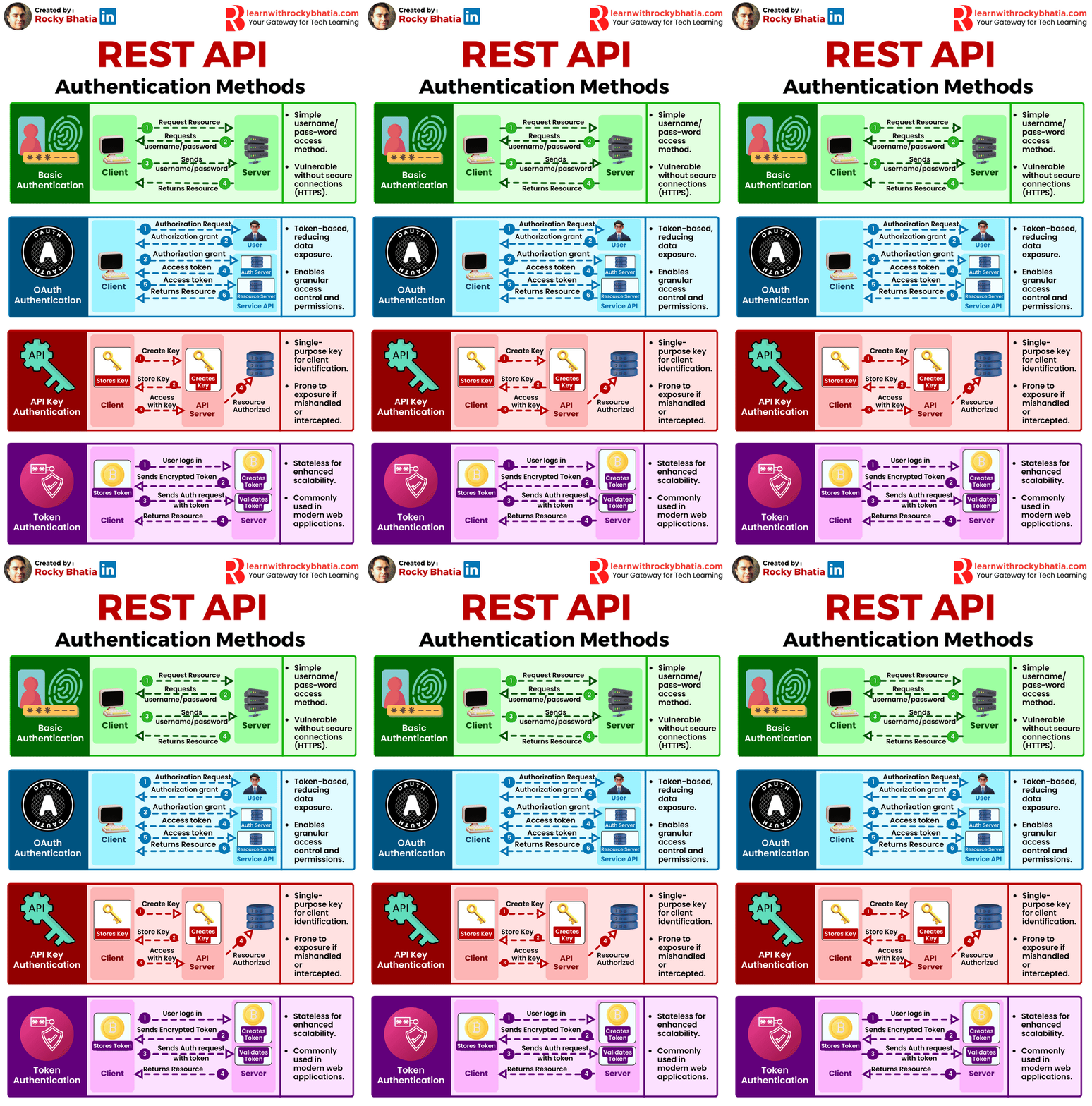
Securing your REST APIs is crucial in today's web development landscape. Explore key authentication methods to bolster your API security strategy:

Basic Authentication: 🚀

How it Works: User credentials (username and password) are encoded in the request header. Implementation: Simple setup, ensure HTTPS for encryption. API Key Authentication: 🔑

How it Works: Unique keys for each user act as secure passwords. Implementation: Efficient for machine-to-machine communication, safeguard keys. OAuth: 🌐

How it Works: Third-party authentication with scoped access. Implementation: Strong for user authorization, popular in social media integrations. Token Authentication: 🎟️

How it Works: Tokens (JWTs or OAuth tokens) replace traditional credentials, enhancing security. Implementation: Scalable for stateless apps, reduces server load. Best Practices: 🛡️

SSL/TLS: Use HTTPS to encrypt data. Token Expiry: Regularly refresh tokens for security. Audit Trails: Maintain detailed logs for monitoring. Choosing the Right Method: 🤔

Consideration: Assess application needs and data sensitivity. Hybrid Approaches: Combine methods like API key + OAuth for enhanced security. Invest in robust API authentication to protect your data and earn user trust. Elevate your API security strategy today! 💻🔒
#datasecurity #cybersecurity #security #encoding #encryption #hashing

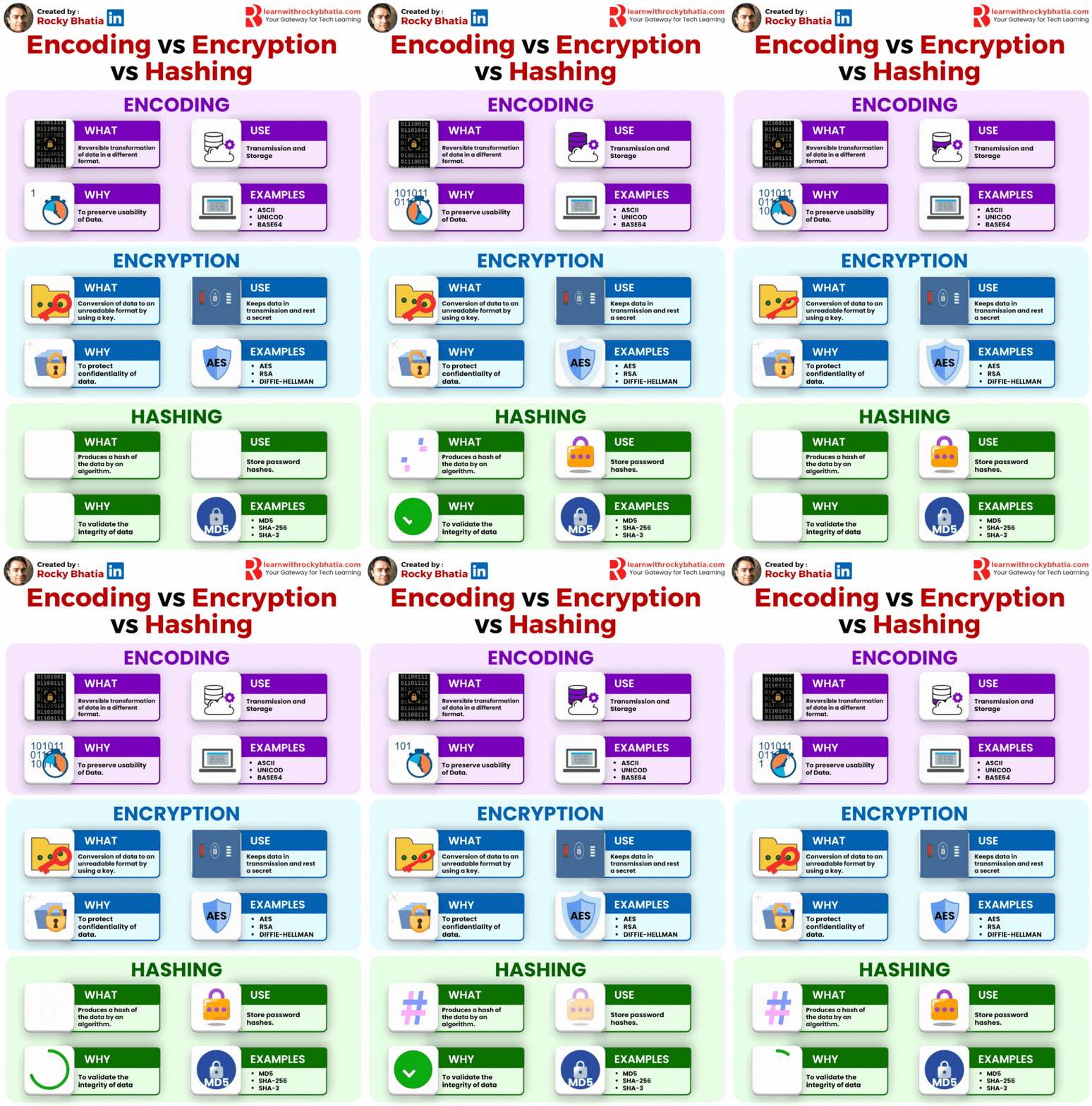
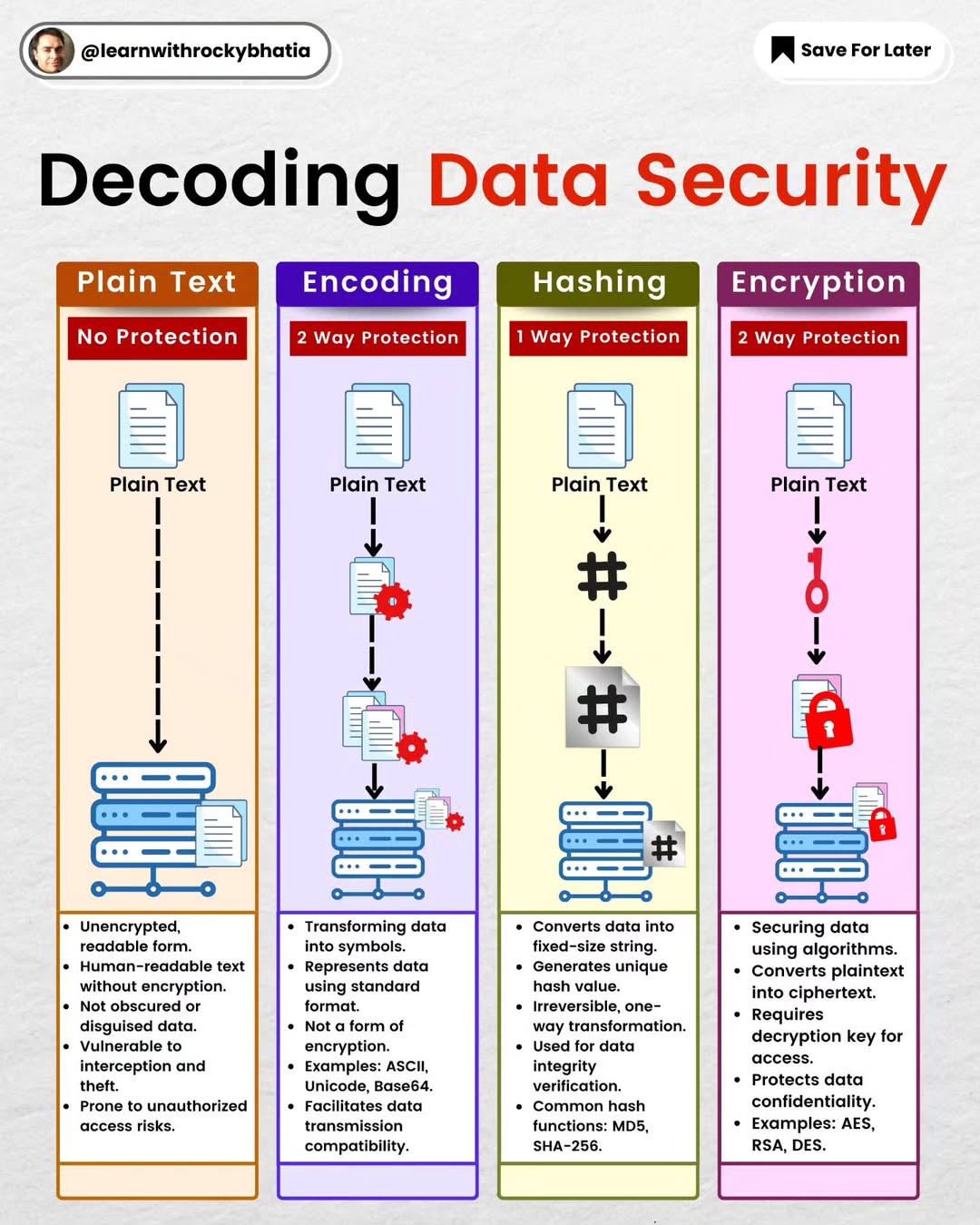
Have you ever found yourself scratching your head trying to figure out the differences between encoding, encryption, and hashing? Well, you're not alone. Let me break it down for you, minus the heavy tech lingo.

Encoding: Your Data's Passport

Think of encoding like giving your data a passport to travel internationally. It's all about converting data into a format that can be easily shared across different systems without confusion. Whether it's Base64, ASCII, or Unicode, encoding ensures that your message arrives intact, no matter where it's headed. Remember, encoding isn't about keeping secrets; it's about making sure your data can be understood anywhere and by anyone it's meant for.

Encryption: The Secret Agent

Now, if encoding is your data's passport, encryption is its secret agent disguise. When you encrypt data, you're scrambling it into a code that only someone with the right key can crack. It's the ultimate protection for your sensitive information, ensuring that only the intended recipient can see your message in its true form. Whether you're sending credit card info, private messages, or sensitive documents, encryption keeps your secrets safe from prying eyes.

Hashing: The One-Way Mirror

Hashing is a bit like a one-way mirror. It transforms your data into a fixed-size string or a “fingerprint,” but here's the kicker: you can't reverse the process. It's fantastic for checking if data has been tampered with or keeping passwords secure. If the data changes even a little bit, the hash will be completely different. It's a one-way trip – once your data is hashed, there's no going back.

Why This Matters to You Grasping these concepts is key in our digital age, especially if you're dabbling in digital communications, cybersecurity, or just want to keep your online presence safe. Each of these processes has its role, whether it's ensuring your data can travel safely, keeping your information private, or verifying that what you're seeing hasn't been messed with.