DevOps Components
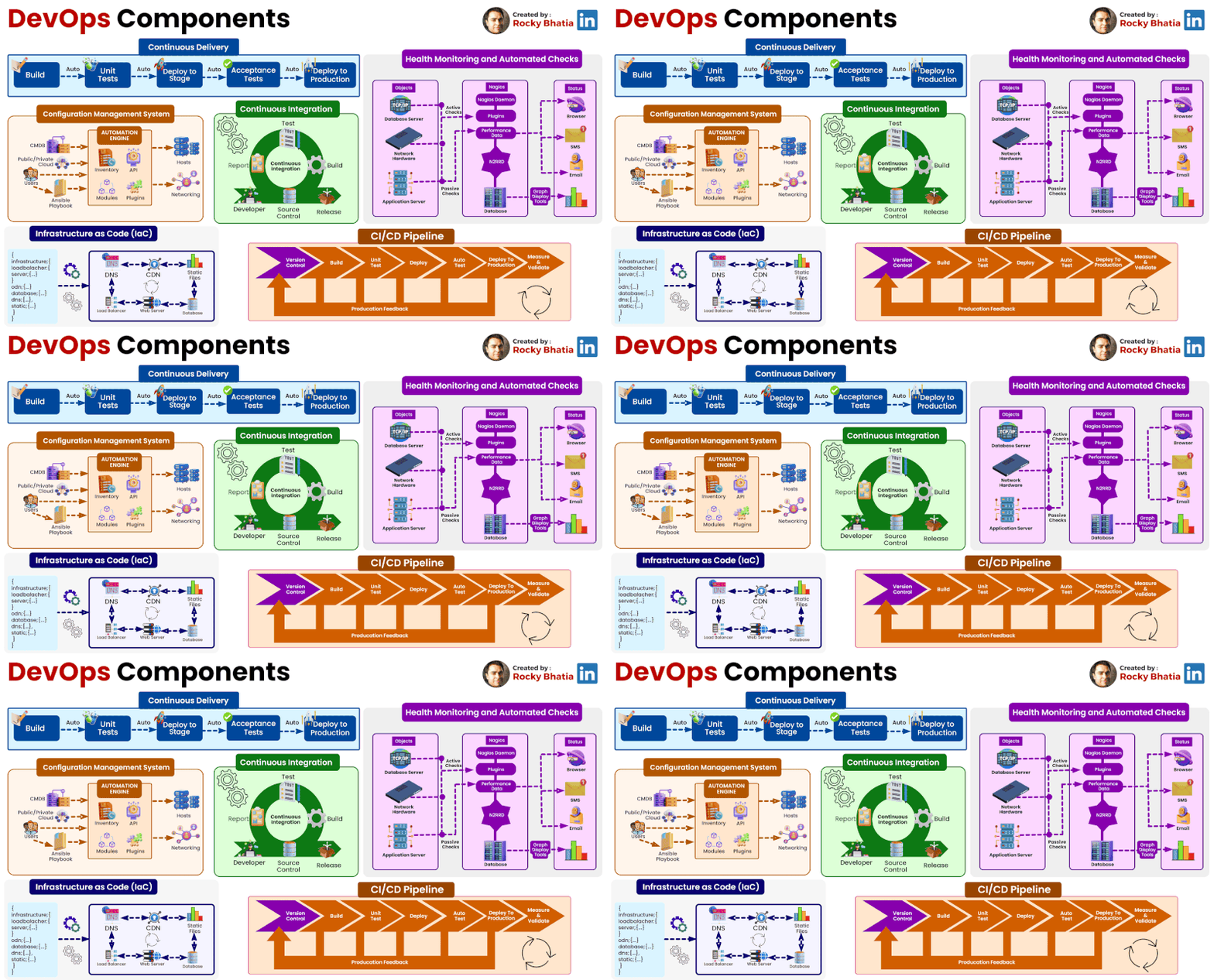
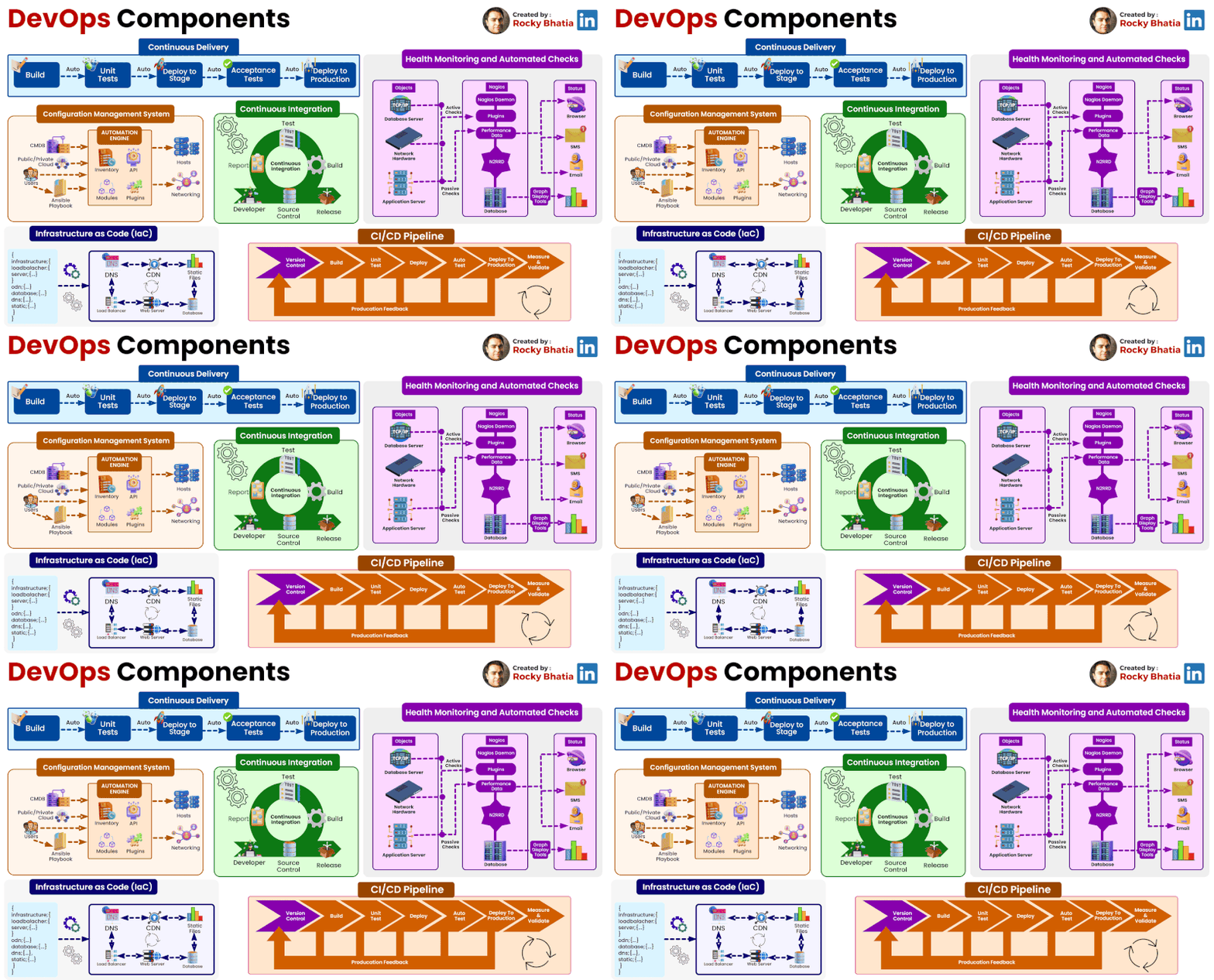
Here's a quick dive into some fundamental pillars:
1 Continuous Integration (CI): Automate code integration to catch issues early. CI ensures that your codebase is always in a deployable state, promoting collaboration among developers.
2 Continuous Delivery (CD): Extend CI into the delivery phase, automating the release process. Achieve reliable, rapid, and low-risk releases, enabling your team to respond swiftly to market demands.
3 Configuration Management: Efficiently manage and automate infrastructure configurations. Tools like Ansible or Puppet ensure consistency, making it easier to scale and maintain infrastructure.
4 Infrastructure as Code (IaC): Code your infrastructure to enhance reproducibility and scalability. IaC, with tools like Terraform or CloudFormation, streamlines provisioning and management, reducing manual errors.
5 Health Monitoring & Automated Checks: Proactively monitor system health with automated checks. Utilise tools like Prometheus or Nagios to detect issues early, ensuring optimal performance and reliability.
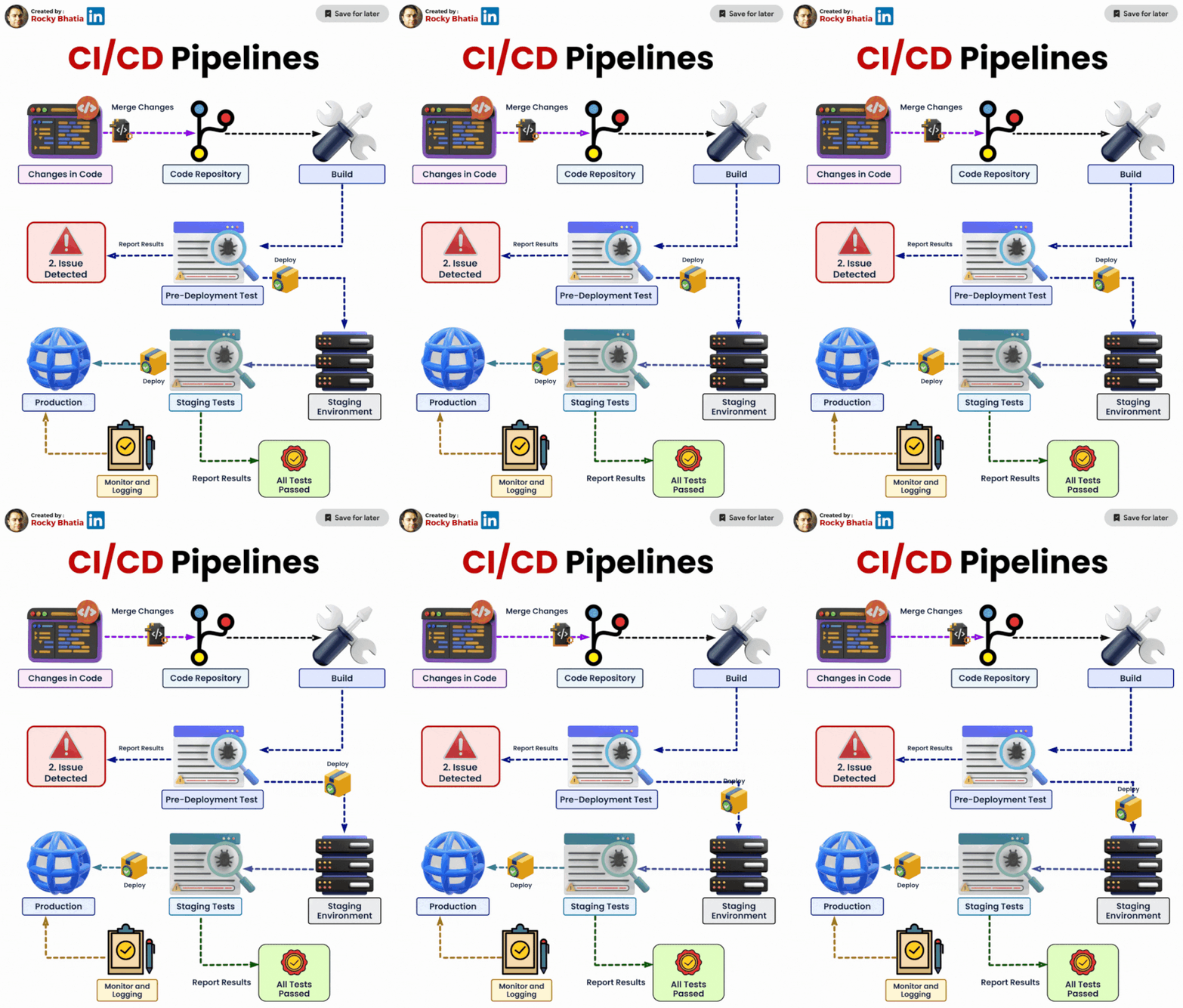
6 CI/CD Pipelines: Create end-to-end automation pipelines. From code commit to deployment, CI/CD pipelines enhance efficiency, reduce manual intervention, and deliver value faster.
DevOps isn't just a set of practices; it's a cultural shift that fosters collaboration, automation, and continuous improvement. Implementing these components lays the foundation for seamless, reliable software delivery.