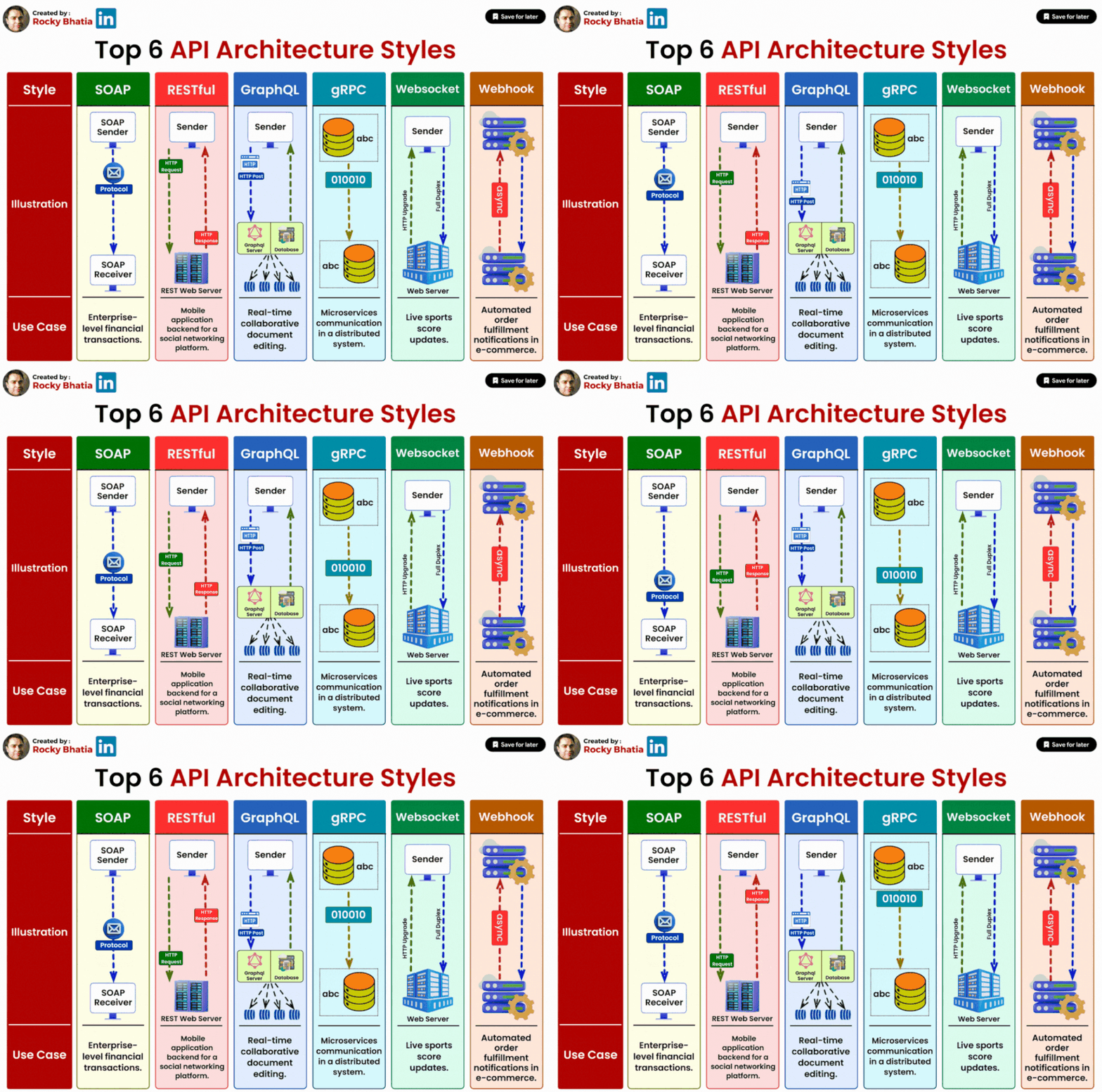
Top 6 API Architectural Styles
#api #systemarchitecture #soap #rest #graphql #grpc #websockets #webhooks
1️⃣ SOAP (Simple Object Access Protocol): SOAP is ideal for enterprise-level applications that require a standardized protocol for exchanging structured information. Its robust features include strong typing and advanced security mechanisms, making it suitable for complex and regulated environments.
2️⃣ RESTful (Representational State Transfer): RESTful APIs prioritize simplicity and scalability, making them well-suited for web services, particularly those catering to public-facing applications. With a stateless, resource-oriented design, RESTful APIs facilitate efficient communication between clients and servers.
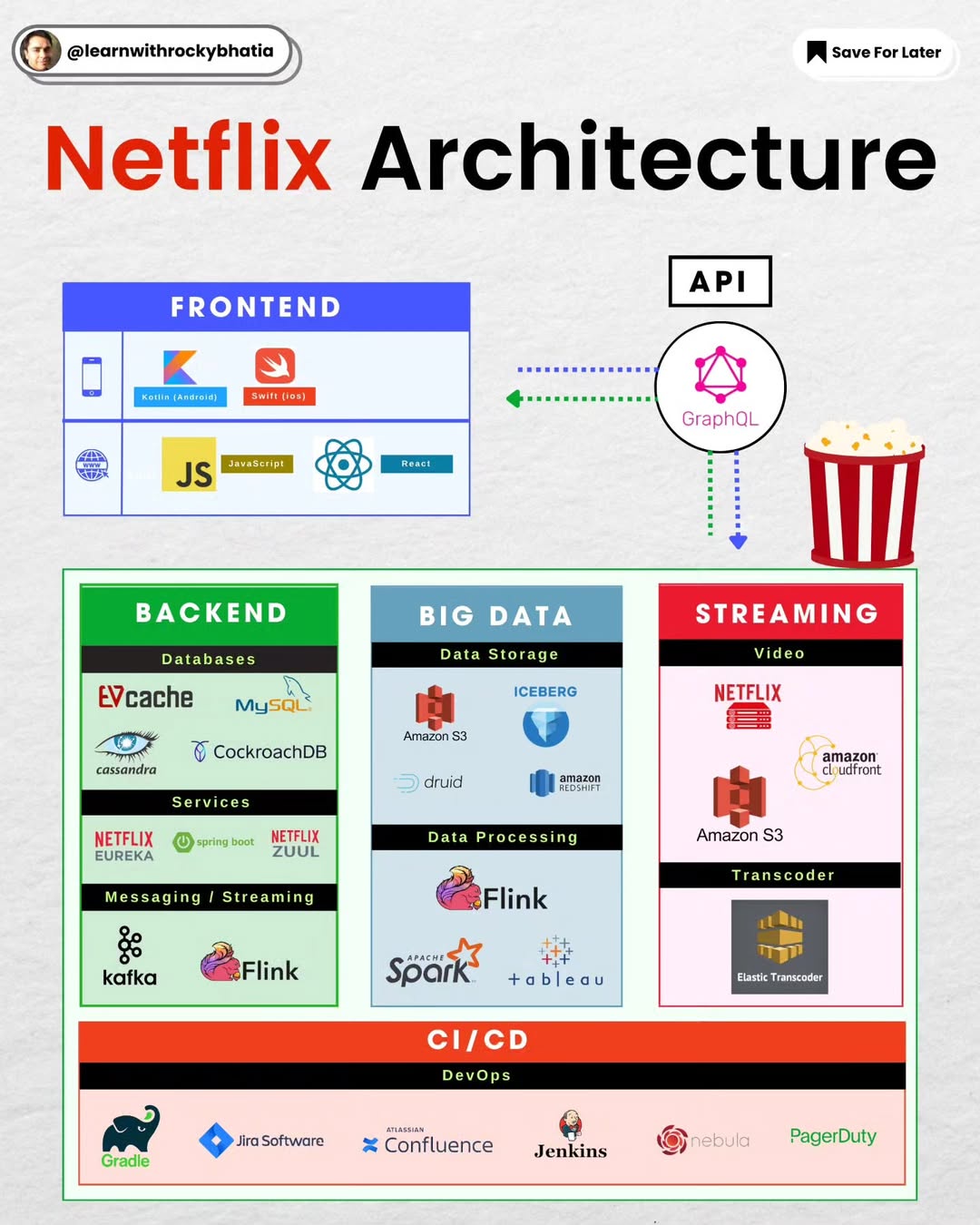
3️⃣ GraphQL: GraphQL shines in scenarios where flexibility and client-driven data retrieval are paramount. By allowing clients to specify the exact data they need, GraphQL minimizes over-fetching and under-fetching, resulting in optimized performance and reduced network traffic.
4️⃣ gRPC: For high-performance, low-latency communication, gRPC emerges as the preferred choice. Widely adopted in microservices architectures, gRPC offers efficient data serialization and bi-directional streaming capabilities, making it suitable for real-time applications and distributed systems.
5️⃣ WebSockets: WebSockets excel in applications requiring real-time, bidirectional communication, such as chat platforms and online gaming. By establishing a persistent connection between clients and servers, WebSockets enable instant data updates and seamless interaction experiences.
6️⃣ Webhooks: In event-driven systems, webhooks play a vital role by allowing applications to react to specific events in real-time. Whether it's notifying about data updates or triggering actions based on user activities, webhooks facilitate seamless integration and automation.
Selecting the appropriate API style is crucial for optimising your application's performance and enhancing user experience. By understanding the strengths and use cases of each architecture style, you can make informed decisions that align with your project's specific requirements.