OSI Model Layers (Open Systems Interconnection)
#osimodel #osi #opensystemsinterconnection
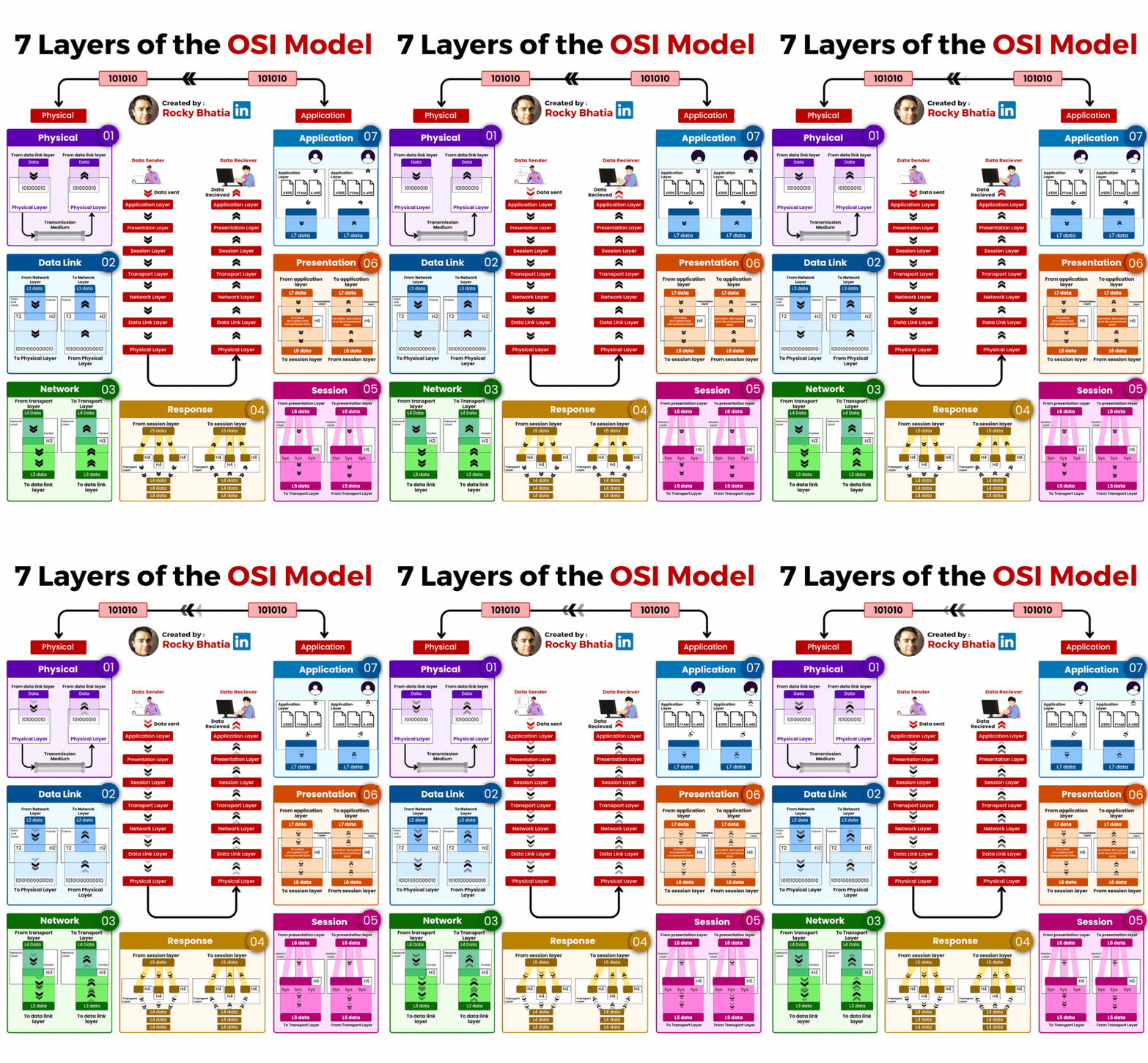
Ever wondered how data travels from your device to a global server and back? The OSI Model breaks it down into 7 powerful layers, ensuring seamless communication.
Here’s a crisp breakdown: 1️⃣ Physical Layer 📡 – Bits over cables, Wi-Fi, fiber, or radio waves. The foundation of network communication! 2️⃣ Data Link Layer 🔗 – MAC addresses, switches, & error detection. Frames ensure reliable node-to-node delivery. 3️⃣ Network Layer 🌍 – IP addresses & routers determine the best path for packets to travel across networks. 4️⃣ Transport Layer 🚢 – TCP vs. UDP! Ensures reliable or fast delivery of data, handling flow control & retransmission. 5️⃣ Session Layer 🎤 – Keeps your session alive! Manages connections between applications (think video calls & streaming). 6️⃣ Presentation Layer 🎭 – Encryption, compression, & format conversion (JPEG, MP3, SSL). Converts data for apps. 7️⃣ Application Layer 🌐 – Where users interact! HTTP, FTP, SMTP—your browser, email, & chats rely on this layer.
🔥 Why It Matters?
OSI helps troubleshoot networking issues
It standardises communication across devices & platforms Security & optimisation strategies start with OSI understanding
💡 Fun Fact: The internet mainly runs on the TCP/IP model, but OSI remains the gold standard for understanding networks.